
What’s new with UK surveillance & data-privacy
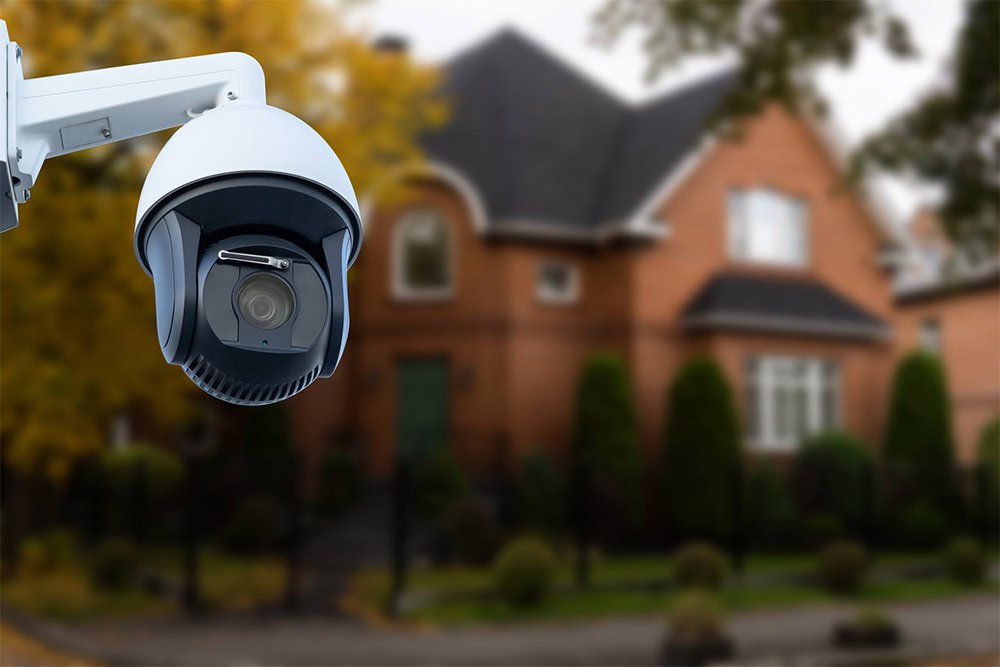
Biometrics and Surveillance Camera Commissioner gets a new head
The UK government recently appointed Professor William Webster as the new Biometrics and Surveillance Camera Commissioner (BSCC), replacing the interim commissioner.
The BSCC oversees biometric surveillance practices (like facial recognition, CCTV, data-collection via cameras) — so this change could influence how surveillance is regulated going forward.
Expansion of live-facial-recognition (LFR) by police across England & Wales
Police forces have rolled out more LFR deployments: a government announcement in 2025 said that 10 new “vans equipped with live-facial-recognition cameras” will be shared across seven police forces, as part of a broader increase in biometric surveillance capability.
According to investigative journalism, almost 4.7 million faces were scanned in 2024 alone — more than double the number from previous years — showing a sharp rise in usage of LFR.
But concerns over privacy are growing: watchdogs and civil-liberty groups warn that using LFR without strong legal safeguards amounts to a mass-surveillance society, risking civil-rights violations.
Legal & Regulatory Changes — New Data Law, Encryption Debate, Oversight Gaps
In June 2025, the UK passed the Data (Use and Access) Act 2025, which amends data-protection and privacy rules under the UK’s equivalent of GDPR/Data Protection Act.
At the same time, civil-rights groups have raised alarms over another development: the government reportedly ordered Apple to remove end-to-end encryption for cloud backups for users in the UK — effectively enabling law-enforcement access to private communications and data. Critics argue this undermines privacy and secure communications worldwide.
Meanwhile, debate continues over surveillance oversight: a 2023 independent report warned there was a “worrying vacuum” in the UK’s surveillance-camera oversight regime, especially in light of growing AI and biometric-surveillance capabilities.
Press freedom and surveillance — courts push back on ‘bulk’ data interception
After years of litigation, state agencies (like intelligence services) are now required to get independent authorisation from the oversight commissioner before accessing or retaining journalistic communications that were intercepted in bulk — a win for press freedom and privacy rights.
The change stems from a legal challenge brought by civil-liberty groups, which argued that prior laws (under the so-called “Snooper’s Charter”) gave the state too much unchecked access to private communications.
⚠️ What’s at Stake — Key Issues & Controversies
Privacy vs security: The expansion of live-facial-recognition (LFR) — especially with millions of face scans — raises serious questions about consent, constant surveillance, and resulting chilling effects on public behavior.
Encryption rollback: Removing or weakening encryption (e.g. cloud backups) under law-enforcement pressure may enable surveillance not just in the UK — but globally, since services like Apple iCloud are used worldwide.
Regulatory & oversight gaps: While there are laws and codes (e.g. Surveillance Camera Code of Practice), critics argue they lag behind advanced biometric and AI-driven surveillance technologies. Oversight bodies are under pressure to catch up.
Civil liberties concerns: Activists warn that expanding surveillance — biometric databases, CCTV, encryption backdoors — risks turning parts of UK society into de facto “mass-surveillance” zones, especially without strong constraints or transparency.
If you are living in UK and looking for CCTV installation in London and need a reliable supplier then you may consider Nexo Security, they are premier in their work and offer best prices.